Lucian’s poignant novel delves into heartbreak and resilience, offering a compelling narrative readily available as a PDF for scholarly exploration and enjoyment.
The Novel’s Initial Reception and Context
Upon its release, Lucian’s “The Abandoned Wife” garnered mixed reviews, praised for its raw emotional honesty but criticized for its bleak portrayal of marital discord. The readily accessible PDF version facilitated wider readership.
Published during a period of shifting societal norms, the novel resonated with emerging feminist discourse, though not explicitly labeled as such. Its exploration of female isolation struck a chord, prompting debate about expectations placed upon women.

Character Analysis: Elara, the Abandoned Wife
Elara embodies quiet strength, navigating profound loss with dignity; her journey, detailed in the PDF, is a testament to enduring spirit and self-discovery.
Elara’s Pre-Abandonment Life and Expectations
Before her world fractured, Elara lived a life steeped in conventional expectations, detailed within the PDF version of Lucian’s work; She envisioned a secure future, built upon societal norms of marriage and domesticity. Her aspirations were modest, centered around creating a loving home and family.
However, subtle hints within the narrative suggest a suppressed intellectual curiosity and a yearning for something beyond the prescribed role, foreshadowing her eventual resilience.
The Psychological Impact of Abandonment on Elara
The PDF reveals a devastating psychological unraveling for Elara. Initial shock gives way to profound grief, then crippling self-doubt, meticulously charted by Lucian. She battles intense feelings of inadequacy and worthlessness, questioning her identity outside of her marriage.
Her internal struggle manifests as withdrawal and a haunting sense of isolation, powerfully depicted throughout the novel’s progression.

The Absent Husband: A Study in Motivation
Lucian’s novel, accessible as a PDF, presents Julian’s departure as complex, driven by societal pressures and personal failings, sparking critical debate.
Unpacking Julian’s Reasons for Leaving
Julian’s motivations, explored within the PDF version of Lucian’s work, are shrouded in ambiguity, hinting at a stifled ambition and a yearning for freedom from domestic constraints. He feels trapped by expectations, seeking intellectual stimulation and a life unburdened by familial duty.
His actions aren’t presented as purely malicious, but rather as a desperate attempt to reconcile his inner desires with societal norms, ultimately leading to his abandonment of Elara.
Julian as a Symbol of Societal Expectations
As detailed in the PDF of Lucian’s “The Abandoned Wife,” Julian embodies the pressures placed upon men of his era – the need for status, intellectual pursuits, and a public persona. He’s a product of a system prioritizing male ambition, even at the cost of personal connection.
His departure isn’t solely individual; it reflects a broader societal failing to accommodate genuine emotional fulfillment.
Themes of Isolation and Loneliness
Lucian’s “The Abandoned Wife,” accessible as a PDF, masterfully portrays the crushing weight of solitude and the pervasive ache of emotional disconnection.
The Physical Isolation of the Setting
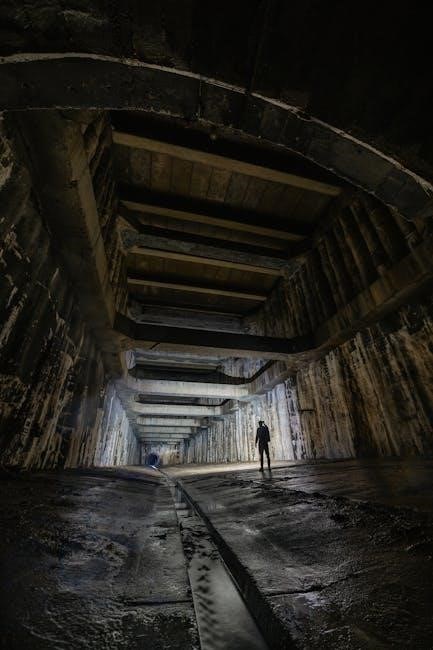
Lucian meticulously crafts a remote and desolate landscape in “The Abandoned Wife,” readily found as a PDF. This geographical isolation mirrors Elara’s internal state, amplifying her feelings of abandonment. The distant village and sprawling, empty countryside become symbolic of her emotional distance from society and connection.
The setting isn’t merely a backdrop; it actively contributes to the novel’s oppressive atmosphere, intensifying Elara’s loneliness and hindering potential solace.
Internal Loneliness and Elara’s Emotional Landscape
Available as a PDF, Lucian’s “The Abandoned Wife” profoundly explores Elara’s spiraling emotional state. Her internal world becomes a landscape of grief, regret, and a haunting sense of self-doubt. The narrative meticulously details her descent into profound loneliness, exacerbated by Julian’s absence.
Elara’s emotional turmoil is palpable, shaping her perceptions and actions throughout the story.
The Role of Secondary Characters
Lucian’s “The Abandoned Wife”, often found as a readily accessible PDF, features supporting roles that illuminate Elara’s isolation and societal pressures.
The Significance of the Village Community
Lucian portrays the village as a complex entity; a source of both potential solace and stifling judgment for Elara, easily studied in the PDF version. While offering a semblance of connection, the community’s gossip and traditional expectations ultimately reinforce her isolation. Their reactions to her abandonment reveal the era’s rigid social norms and the limited options available to women. The villagers, though present, fail to truly see Elara’s internal struggle, highlighting the pervasive loneliness at the novel’s core.
The Impact of Friends and Family (or Lack Thereof)
Lucian’s novel, accessible as a PDF, starkly depicts Elara’s emotional abandonment extending beyond her husband. She experiences a profound lack of genuine support from family and friends, intensifying her solitude. Distant relatives offer platitudes rather than practical help, and friendships prove superficial. This absence of a strong support network underscores the societal pressures on women to endure hardship silently, leaving Elara utterly alone in her grief.
Symbolism and Motifs in the Narrative
Lucian’s “The Abandoned Wife,” found as a PDF, masterfully employs recurring symbols—like fading flowers—to represent lost love and Elara’s diminishing hope.
The Recurring Motif of the Empty House
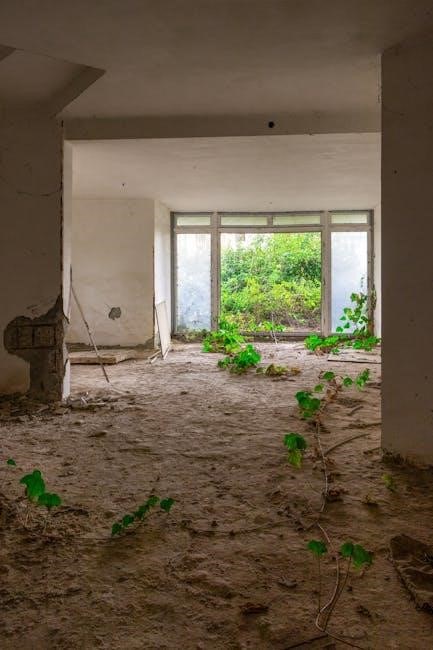
Lucian utilizes the empty house as a central, haunting motif throughout “The Abandoned Wife” (easily accessible as a PDF). Initially a symbol of shared dreams, it transforms into a stark representation of Elara’s isolation and loss. The echoing silence within its walls mirrors her internal emptiness, emphasizing the void left by Julian’s departure. Each room, once filled with life, now embodies absence, powerfully reinforcing the novel’s themes of loneliness and the disintegration of domestic bliss.
Symbolism of Weather and Landscape
Lucian masterfully employs weather and landscape to mirror Elara’s emotional state in “The Abandoned Wife,” readily found as a PDF. Bleak, stormy weather often accompanies moments of despair, while fleeting glimpses of sunshine parallel her fragile hopes. The desolate, rural setting amplifies her isolation, reflecting the barrenness within her life. The natural world becomes a powerful externalization of her internal turmoil and gradual journey towards acceptance.

Narrative Structure and Style
Lucian’s “The Abandoned Wife,” accessible as a PDF, utilizes a deliberate, introspective style, enhancing the emotional weight of Elara’s solitary experience.
Lucian’s Use of First-Person Perspective
Lucian’s masterful employment of first-person narration, readily experienced through the PDF version of “The Abandoned Wife,” deeply immerses the reader within Elara’s consciousness. This intimate viewpoint allows for a raw and unfiltered exploration of her emotional turmoil, fostering empathy and understanding. We experience her isolation, anxieties, and evolving perceptions solely through her eyes, creating a powerfully subjective and affecting narrative.
The Pacing and Tone of the Novel
The PDF of “The Abandoned Wife” reveals Lucian’s deliberate pacing, mirroring Elara’s internal state – initially languid with despair, then subtly accelerating with glimmers of self-discovery. The tone is predominantly melancholic and introspective, yet punctuated by moments of quiet defiance. This nuanced approach avoids melodrama, fostering a realistic and emotionally resonant portrayal of grief and eventual resilience.

Social Commentary: Gender Roles and Expectations
Lucian’s work, accessible as a PDF, critiques restrictive societal norms imposed upon women, highlighting the limited agency and expectations surrounding marriage.
The Constraints Placed Upon Women in the Novel’s Era
Lucian’s novel, often studied via PDF versions, vividly portrays the stifling limitations placed upon women during its historical context. Elara’s world restricts her to domesticity, denying economic independence and intellectual fulfillment. Societal expectations dictate her worth is tied to marriage and motherhood, leaving her vulnerable and powerless upon abandonment.
Exploring the Double Standards of Marriage
Lucian’s “The Abandoned Wife,” frequently accessed as a PDF, sharply critiques marital double standards. Julian’s freedom to pursue other interests contrasts starkly with Elara’s enforced fidelity. The narrative exposes how societal norms excused male infidelity while condemning female independence, highlighting the inherent imbalance and injustice within the institution of marriage.
The Ending and its Interpretation
Lucian’s ambiguous conclusion, easily studied in the PDF version, invites readers to contemplate Elara’s future and the complexities of her newfound freedom.
Ambiguity and Open-Endedness
Lucian deliberately avoids a definitive resolution, leaving Elara’s fate uncertain – a key element accessible when reading the PDF. This open-endedness isn’t a narrative flaw, but rather a powerful technique. It compels readers to actively participate in constructing meaning, pondering whether Elara will rebuild her life independently, seek new companionship, or remain haunted by her past. The lack of closure mirrors the messy realities of life and loss, enhancing the novel’s emotional resonance.
Possible Futures for Elara
Analyzing the PDF reveals several plausible paths for Elara. She might embrace solitude, finding strength in self-reliance and rediscovering forgotten passions. Alternatively, she could cautiously open herself to new relationships, learning from past heartbreak. A return to her family, though fraught with potential complications, also remains a possibility. Lucian intentionally leaves these futures unwritten, empowering readers to envision Elara’s agency and resilience.

Critical Perspectives on “The Abandoned Wife”
PDF analyses showcase feminist and psychological interpretations, revealing Lucian’s masterful exploration of societal constraints and the complexities of female emotional experience.
Feminist Readings of the Text
Feminist critics examining the PDF version of Lucian’s work highlight Elara’s subjugation within a patriarchal society. The novel powerfully illustrates the limited agency afforded to women, and the devastating consequences of societal expectations placed upon them. Analyses focus on how Elara’s identity is intrinsically linked to her marital status, and the lack of viable alternatives presented to her following abandonment, prompting discussions about female autonomy and resilience.
Psychological Interpretations of the Characters
Psychological analyses of characters, accessible through the PDF of Lucian’s novel, explore the profound impact of trauma and isolation. Elara’s internal struggles are often viewed through the lens of attachment theory and grief. Julian’s motivations are dissected using concepts like narcissism and avoidance. The text provides rich material for understanding complex emotional responses to loss and betrayal, offering insights into the human psyche.

Lucian’s Other Works and Influences
Lucian’s broader oeuvre, including works available as a PDF, reveals recurring themes of societal constraint and individual yearning, shaping “The Abandoned Wife.”
Connections to Lucian’s Broader Literary Themes
Lucian consistently explored the limitations imposed upon individuals by societal norms, a theme powerfully echoed in “The Abandoned Wife.” Many of Lucian’s other novels, often accessible as a PDF resource, feature characters grappling with similar constraints – particularly regarding expectations within marriage and gender roles; This recurring focus suggests a deliberate authorial concern with power dynamics and the search for personal agency, making “The Abandoned Wife” a key example of Lucian’s overarching artistic vision.
Influences on Lucian’s Writing Style
Lucian’s prose, evident even in readily available PDF versions of “The Abandoned Wife,” demonstrates a clear influence from 19th-century realist authors. A meticulous attention to psychological detail and social observation characterizes his work. Furthermore, elements of Romanticism, particularly concerning the power of nature, subtly permeate the narrative. These stylistic choices contribute to the novel’s immersive quality and emotional resonance, shaping a uniquely compelling reading experience.

The Novel’s Relevance Today
Despite being accessible as a PDF, Lucian’s work resonates now, exploring universal themes of loss, societal pressures, and the enduring search for self-worth.
Timeless Themes of Loss and Resilience
Lucian’s “The Abandoned Wife,” often found as a readily downloadable PDF, powerfully portrays the devastating impact of loss – of love, security, and identity. However, it transcends mere sorrow. The narrative meticulously charts Elara’s journey, showcasing remarkable resilience in the face of profound emotional upheaval.
This exploration of rebuilding a life, finding inner strength, and redefining self-worth remains profoundly relevant, resonating with contemporary readers navigating their own challenges.
“The Abandoned Wife” in Contemporary Literature
Though penned decades ago, and easily accessible as a PDF, Lucian’s work anticipates themes prevalent in modern literature. Novels exploring female agency after trauma, like Elena Ferrante’s Neapolitan Novels, echo Elara’s struggle. The focus on internal emotional landscapes, a hallmark of the text,
resonates with contemporary authors prioritizing psychological realism. “The Abandoned Wife” continues to influence explorations of marital disillusionment and female self-discovery.
Lucian’s “The Abandoned Wife,” often studied via PDF, remains a powerful exploration of loss, proving its timeless relevance and literary merit.
A Final Assessment of the Novel’s Significance
Lucian’s “The Abandoned Wife” secures its place as a significant work due to its unflinching portrayal of female experience and societal constraints. Easily accessible as a PDF, the novel continues to resonate with readers, prompting critical discussions about gender roles, isolation, and the search for self-worth. Its enduring power lies in its ability to evoke empathy and challenge conventional narratives, solidifying its importance in literary history.