Dog Bed Sizes Guide: A Comprehensive Overview (Updated 03/26/2026)
Navigating the world of dog beds requires understanding sizing; nearly 50 million US households share beds with their canine companions,
making proper fit crucial for comfort․
Selecting the appropriate dog bed size is paramount for your furry friend’s well-being and restful sleep․ A bed that’s too small restricts movement, causing discomfort and potentially disrupting sleep patterns․ Conversely, an excessively large bed might not provide the necessary feeling of security and warmth dogs crave․
Considering that a significant number of dog owners share their beds with their pets, providing a dedicated, correctly sized space is essential for establishing boundaries and promoting independent rest․ Proper sizing supports joint health, reduces anxiety, and ultimately enhances your dog’s quality of life․
Understanding Dog Sleeping Positions
Dogs, like humans, exhibit varied sleeping preferences, influencing the ideal bed size and shape․ Observing your dog’s typical slumber style is key to choosing the right fit․ Some dogs instinctively curl into a tight ball, prioritizing warmth and security, while others prefer to sprawl out fully, needing ample space․
Understanding these tendencies – whether they stretch, curl, or sleep on their side – allows you to select a bed that accommodates their natural posture, ensuring maximum comfort and undisturbed rest․ Consider their preferred position when measuring and browsing options․
Curled Up Sleepers

Dogs who curl up when they sleep prioritize feeling secure and maintaining body heat․ For these pups, a round or donut-shaped bed often provides the perfect cozy haven․ When sizing for a curled-up sleeper, focus on measuring their length while they are actually curled․
Add a few inches to this measurement to ensure they aren’t cramped․ The bed’s diameter or internal dimensions should comfortably accommodate their curled form, without forcing them to extend or feel restricted․ A snug fit is ideal for this sleeping style․
Stretched Out Sleepers
Dogs who love to sprawl and stretch need ample space to fully extend their limbs․ For these pups, a rectangular or square bed is generally the best choice․ Accurate length measurement – nose to tail base – is paramount when selecting a bed for a stretcher․
Add at least 6-12 inches to this length measurement to allow for comfortable extension without hanging off the edges․ Don’t underestimate the space they require; a bed that’s too small will defeat the purpose!
Side Sleepers
Side sleepers, often enjoying a relaxed and comfortable pose, benefit from beds offering good support and a sense of security․ These dogs don’t necessarily need length as much as they need width to comfortably rest without falling off․
Consider bolster beds or beds with raised sides, providing a comforting lean-to effect․ Measuring shoulder width is key here, adding several inches for wiggle room and a cozy feel․ A slightly smaller bed can also work well!
Measuring Your Dog for a Bed
Accurate measurements are paramount for selecting the perfect dog bed, surpassing breed generalizations․ Begin by measuring your dog’s length from the tip of their nose to the base of their tail while they’re standing․
Next, determine shoulder width – the widest point when they’re standing naturally․ Finally, consider height, especially for senior dogs or those with joint issues, ensuring easy access․ Add a few inches to each measurement for optimal comfort!
Length Measurement: Nose to Tail Base
Determining length is the foundational step in dog bed sizing․ Have your dog stand in a relaxed, natural position․ Use a flexible measuring tape, extending from the very tip of their nose to the point where their tail connects to their body – the tail base․

Ensure the tape is taut but not constricting․ This measurement dictates the minimum bed length needed for comfortable stretching․ Always add 6-12 inches to this length for wiggle room!
Width Measurement: Shoulder Width
Assessing shoulder width ensures your dog isn’t feeling cramped while resting․ With your dog standing squarely, measure across their shoulders – from the outermost points of their shoulder blades․
This measurement is vital for dogs who like to sprawl․ Add at least 6-8 inches to this width to allow for comfortable turning and positioning within the bed․ A bed too narrow can lead to discomfort and restless sleep, impacting their overall well-being․
Height Measurement: Consider Joint Issues
For dogs with arthritis or other joint problems, bed height is paramount for easy access․ A lower profile bed minimizes strain when getting in and out, reducing discomfort and potential injury․

Conversely, slightly elevated beds can benefit larger breeds․ Consider a bed height of 4-6 inches if your dog struggles to rise from a flat surface․ Orthopedic foam thickness also contributes to overall height and support, providing crucial relief for aching joints․
Standard Dog Bed Sizes & Corresponding Breeds
Dog bed sizes generally fall into five categories: Extra Small, Small, Medium, Large, and Extra Large․ However, breed is just a starting point; individual dog size varies․
Extra Small beds (up to 18″) suit Chihuahuas and Yorkshire Terriers․ Small (18-24″) work for Beagles, Dachshunds, and Pugs․ Medium (24-30″) accommodate Border Collies and Bulldogs․ Large (30-36″) are ideal for Labs and German Shepherds, while Extra Large (36-42″) fit Great Danes and Mastiffs․
Extra Small (Up to 18 inches): Chihuahua, Yorkshire Terrier
For the tiniest companions, Extra Small beds – those 18 inches and under – provide a secure and cozy haven․ These are perfectly suited for breeds like the Chihuahua and Yorkshire Terrier, offering a sense of enclosure they often prefer․
Consider a bed with raised sides or bolsters to enhance this feeling of safety․ These smaller beds are also excellent for puppies who haven’t yet reached their full size, providing a dedicated space․
Small (18-24 inches): Beagle, Dachshund, Pug
Dogs like Beagles, Dachshunds, and Pugs typically thrive with Small-sized beds, ranging from 18 to 24 inches․ This size offers enough room for comfortable stretching without being overwhelmingly large․

These breeds often enjoy a good curl-up, so a slightly rounded or donut-shaped bed can be particularly appealing․ Ensure the bed’s material is durable and easy to clean, accommodating their playful energy and potential for digging!
Medium (24-30 inches): Border Collie, Bulldog, Cocker Spaniel

For energetic breeds like Border Collies, sturdy Bulldogs, and sweet Cocker Spaniels, a Medium bed (24-30 inches) generally provides ample space․ These dogs need room to shift positions and find their ideal lounging spot․
Consider a bolster bed for Bulldogs, offering head and neck support, while Border Collies might appreciate a more open rectangular shape․ Durable fabrics are key, as these breeds can be active and potentially rough on their bedding․
Large (30-36 inches): Labrador Retriever, German Shepherd, Boxer
Larger breeds such as Labrador Retrievers, German Shepherds, and Boxers typically thrive with a Large bed, measuring 30-36 inches․ These active dogs need sufficient space to fully stretch out and relax after playtime․
Reinforced stitching and durable materials are essential for these breeds, known for their strength․ Orthopedic options are beneficial, especially for German Shepherds prone to hip dysplasia․ Consider a rectangular shape to accommodate their extended postures․
Extra Large (36-42 inches): Great Dane, Mastiff, Saint Bernard

Giant breeds like Great Danes, Mastiffs, and Saint Bernards demand an Extra Large bed, generally 36-42 inches in diameter or length․ These majestic dogs require ample room to comfortably sprawl without hanging off the edges․
Prioritize robust construction and heavy-duty fabrics to withstand their size and weight․ Orthopedic foam is highly recommended to support their joints and prevent pressure sores․ Rectangular beds often provide the most usable space for these larger companions․
Beyond Breed: Considering Weight
While breed provides a general guideline, a dog’s weight is a primary factor in determining the appropriate bed size․ Some breeds within a size category can vary significantly in weight, impacting the needed support․
Always check the bed’s weight capacity to ensure it can safely accommodate your dog․ Overweight dogs require larger, more supportive beds to distribute their weight evenly, while underweight dogs may prefer a cozier, smaller option․
Weight as a Primary Factor
Determining the ideal dog bed size hinges significantly on your dog’s weight, often outweighing breed-specific recommendations․ A heavier dog needs a bed that provides ample support and prevents pressure points, ensuring comfortable rest․
Consider a bed with higher weight capacity and robust construction․ Conversely, lighter dogs may find oversized beds less comforting, preferring a snugger fit․ Prioritizing weight ensures optimal spinal alignment and overall well-being during sleep․
Overweight/Underweight Dogs & Bed Sizing
Dogs deviating from a healthy weight require adjusted bed sizing considerations․ Overweight dogs need beds offering extra support to distribute weight evenly and alleviate joint stress; consider larger sizes and orthopedic options․
Underweight dogs, conversely, may get lost in oversized beds, lacking the cozy security they need․ Focus on a size that allows them to feel contained and warm․ Accurate weight assessment is key to providing optimal comfort and promoting healthy sleep habits․

Types of Dog Beds & Size Implications
Different dog bed styles necessitate nuanced sizing approaches․ Bolster beds often require adding a few inches to your dog’s measured length to accommodate comfortable head resting․
Donut beds prioritize a snug fit; measure carefully to ensure your dog isn’t cramped, but still feels securely nestled․ Orthopedic beds demand ample surface area to fully support the body, especially for larger breeds or dogs with joint issues – prioritize length and width․
Bolster Beds & Size Adjustments
Bolster beds, with their raised edges, offer a sense of security and a headrest․ When selecting a size, don’t simply match your dog’s length; add approximately 6-12 inches to allow for stretching out onto the bolster itself․
Consider your dog’s preferred sleeping position․ A dog who loves to sprawl will need a larger bolster bed than a curler․ Ensure the interior sleeping surface is adequately sized, even with the bolster present, for optimal comfort․
Donut Beds & Cozy Fit
Donut beds, characterized by their high, circular walls, are designed for dogs who love to curl up․ Sizing for these beds is a bit different; focus on the internal diameter, as this is the actual sleeping space․
Measure your dog while curled up to determine the appropriate internal diameter․ Add a few inches for wiggle room, but avoid excessive space, as it defeats the cozy purpose․ A snug fit enhances the feeling of security these beds provide․
Orthopedic Beds & Adequate Support Area

Orthopedic dog beds are crucial for senior dogs or those with joint issues, requiring careful size consideration․ Unlike standard beds, sizing isn’t just about length and width; it’s about surface area for support․
Ensure the entire dog can lie comfortably without any part of their body hanging off the edge․ Measure your dog fully stretched out and add at least 6-12 inches to both length and width to guarantee adequate orthopedic support and pressure relief․
Round vs․ Rectangular Beds: Size Differences
Choosing between round and rectangular dog beds involves understanding how size translates differently between the shapes․ Round beds are often marketed by diameter, but consider how that diameter accommodates your dog’s stretched-out length․
Rectangular beds offer more defined length and width, making sizing more intuitive․ A 24-inch diameter round bed might be comparable to a 20×28 inch rectangular bed, but always prioritize ensuring ample space for comfortable positioning․
Round Bed Diameter Equivalents
Determining the equivalent size when comparing round bed diameters to rectangular dimensions requires careful consideration․ A 20-inch diameter round bed generally suits dogs needing a bed around 18×22 inches in a rectangular shape․
For a 24-inch round bed, look for a rectangular bed approximately 20×28 inches․ Larger diameters, like 30 inches, might equate to 24×36 inches․ Always prioritize a slightly larger size to ensure your dog has ample room to stretch and relax comfortably․
Rectangular Bed Length & Width Considerations
When selecting rectangular dog beds, length is paramount, ensuring your dog can fully stretch out without dangling limbs․ Width should accommodate their sleeping position, allowing room for side-sleeping or curling up․
Consider adding 6-12 inches to your dog’s measured length for optimal comfort․ Width should be at least as wide as their shoulder width, plus extra space․ Prioritize generous sizing; a slightly larger bed is always preferable to one that’s too constricting․
Dealing with Growing Puppies
Puppies rapidly outgrow their beds, presenting a unique sizing challenge․ Opt for a bed they can grow into, rather than repeatedly purchasing new ones․ Temporary solutions include using rolled-up towels or blankets to reduce the bed’s effective size initially․
Adjustable beds are an excellent investment, offering customizable sizing as your puppy matures․ Monitor their growth weekly and adjust the bed accordingly, ensuring continued comfort and support throughout their development․
Temporary Sizing Solutions
For rapidly growing puppies, immediate bed replacement is costly․ Utilize clever, temporary fixes to bridge the gap between sizes․ Strategically placed rolled-up towels or blankets effectively reduce the usable space within a larger bed, creating a snug haven․
Consider using a smaller blanket draped over part of the bed to define a cozier, appropriately sized area․ These methods provide comfort while you await the perfect, permanent bed size, saving money and ensuring your pup feels secure․
Adjustable Bed Options
Several innovative dog bed designs cater to growing pups or multi-dog households․ Expandable beds feature removable bolster cushions or inner padding, allowing you to increase the sleeping surface as needed․ Modular systems, comprised of connecting sections, offer customizable configurations․
Look for beds with adjustable walls or height settings․ These adaptable options eliminate frequent replacements, providing long-term value and ensuring your dog always has a comfortable, appropriately sized space to rest and recharge, regardless of their growth stage․
Special Considerations: Senior Dogs & Medical Conditions
Older dogs and those with health issues require specialized bed considerations․ Arthritis sufferers benefit from orthopedic foam beds offering superior joint support and pressure relief․ Ensure ample space for comfortable positioning and easy movement, avoiding beds that are too small․
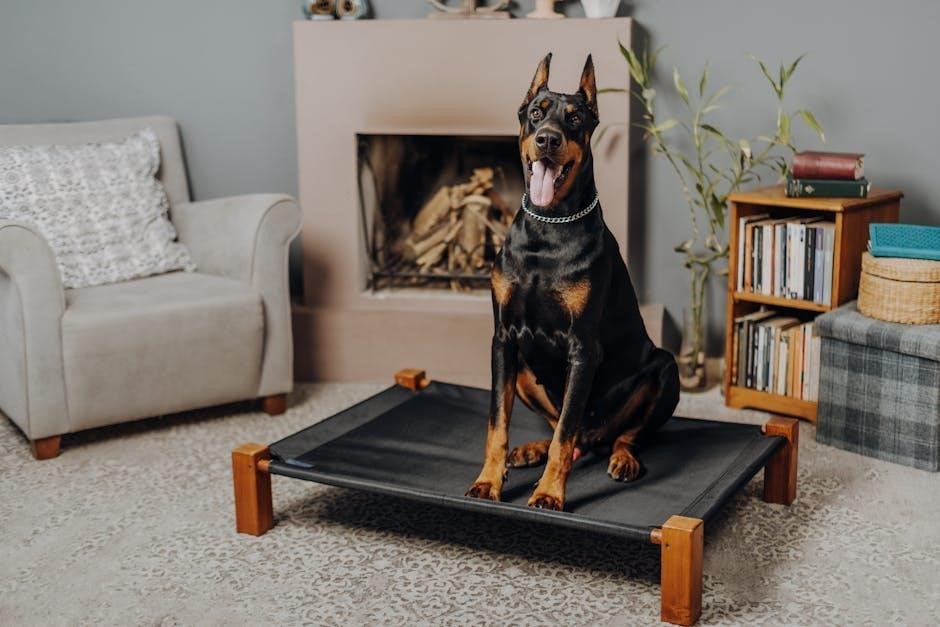
For dogs with incontinence, waterproof or water-resistant bedding is essential to maintain hygiene and prevent odor․ Consider larger sizes to accommodate potential messes and provide a dry, comfortable resting area, promoting overall well-being and restful sleep․
Arthritis & Orthopedic Support
Dogs with arthritis require beds that prioritize joint health and comfort․ Orthopedic foam mattresses distribute weight evenly, reducing pressure points and alleviating pain․ Selecting the correct size is vital; the bed must fully support the dog’s body when lying down, preventing limbs from dangling․
Consider a bed with bolstered sides to offer additional support and a sense of security․ Ensure easy access – a lower profile bed minimizes strain during entry and exit, promoting independent movement and a better quality of life․
Incontinence & Waterproof Bedding Size
For dogs experiencing incontinence, selecting appropriately sized waterproof bedding is paramount․ The bed should be large enough to contain any accidents comfortably, preventing overflow and maintaining hygiene․ Opt for beds with removable, washable covers for easy cleaning and odor control․
Consider adding an extra layer of waterproof protection beneath the bed, such as a waterproof liner or pad․ Slightly oversized beds are preferable, offering a buffer zone and minimizing the risk of dampness spreading beyond the bed’s perimeter․
Where to Buy Dog Beds (Size Availability)
Dog beds are widely available from numerous retailers, offering varying size selections․ Online giants like Amazon and Chewy boast extensive inventories, frequently with detailed sizing charts and customer reviews․ Pet store chains, such as PetSmart and Petco, provide the benefit of in-person browsing and expert advice․
Local pet boutiques and custom bed makers often cater to specific needs, including unusual sizes or personalized designs․ Comparing prices and size ranges across different vendors is recommended to secure the best fit for your furry friend․
Online Retailers (Amazon, Chewy)
Amazon and Chewy are dominant forces in online pet supply retail, offering a vast selection of dog beds in every conceivable size․ Both platforms feature robust search filters, allowing shoppers to pinpoint beds by dimensions, breed suitability, and price point․
Customer reviews are plentiful, providing valuable insights into actual bed sizes and quality․ Frequent sales and convenient shipping options make these retailers attractive choices, though verifying size charts is crucial before purchasing․
Pet Store Chains (PetSmart, Petco)
PetSmart and Petco provide the benefit of in-person shopping, allowing dogs to physically test bed sizes and comfort levels․ These chains typically stock a wide range of beds, from basic to orthopedic, catering to various budgets and needs․
Knowledgeable staff can offer guidance on appropriate sizing, though expertise may vary․ Regular promotions and loyalty programs can lead to savings, and immediate availability eliminates shipping wait times, making them convenient options․
Local Boutiques & Custom Options
Local pet boutiques often curate unique, high-quality dog beds, frequently featuring durable materials and stylish designs․ They excel in personalized service, offering expert advice tailored to your dog’s specific needs and size․
Custom bed options provide the ultimate fit, especially for breeds with unusual proportions or senior dogs requiring specialized support․ While generally more expensive, custom beds guarantee comfort and longevity, supporting local businesses simultaneously․