Bentonite, a crucial fining agent, significantly clarifies mead, removing haze-causing proteins and yeast particles – as discussed in recent mead-making forums (Nov 7, 2017 & Oct 1, 2024)․
Understanding its application, from dosage to hydration, is key for achieving brilliantly clear mead, especially in fruit-based melomels, as highlighted by a Gotmead discussion (Dec 6, 2010)․
What is Bentonite?
Bentonite is a highly absorbent aluminum phyllosilicate clay, formed from volcanic ash, and prized for its fining capabilities in winemaking and mead production․ It possesses a negative electrical charge, attracting positively charged particles like proteins, yeast, and other compounds causing cloudiness․
Different types exist, notably sodium and calcium bentonite, each with varying swelling and clarifying properties․ Properly hydrated bentonite creates a slurry that settles, drawing out impurities and resulting in a clearer, more visually appealing final product, as mead makers frequently discuss online․
Why Use Bentonite in Mead?
Bentonite dramatically improves mead clarity, removing haze that can persist even after aging and racking․ It’s particularly beneficial for fruit meads (melomels) where pectin and fruit pulp contribute to instability․ Online discussions reveal mead makers often struggle with clearing, making bentonite a popular solution․
Beyond aesthetics, clarifying enhances the mead’s perceived quality and allows light to pass through, showcasing its color․ Using bentonite, alongside enzymes, is a common practice for new mead makers seeking professional-looking results․
Understanding Bentonite Types
Sodium bentonite, readily dispersible in water, is preferred for mead making, while calcium bentonite requires pre-treatment․ Quality varies; sourcing from reputable suppliers ensures optimal fining performance․
Sodium Bentonite vs․ Calcium Bentonite
Sodium bentonite is the mead maker’s preferred choice due to its natural ability to readily disperse in water, creating a stable suspension for effective fining․ Conversely, calcium bentonite possesses a different molecular structure․
This structure necessitates a pre-treatment step, typically involving sodium carbonate (washing soda), to convert it into a usable sodium form․ Without this conversion, calcium bentonite won’t hydrate properly, hindering its clearing capabilities and potentially causing sediment issues․
Therefore, sodium bentonite simplifies the process and delivers more consistent results․
Bentonite Sourcing and Quality
Sourcing high-quality bentonite is paramount for successful mead clarification․ Look for bentonite specifically labeled for winemaking or brewing, ensuring purity and minimal contaminants․ Avoid industrial-grade bentonite, as its composition may be unsuitable and potentially introduce off-flavors․
Reputable suppliers offer bentonite with documented specifications, guaranteeing consistent performance․ Consider purchasing from established homebrew stores or online retailers specializing in mead-making supplies for reliable quality․
Calculating Bentonite Dosage for Mead
Determining the correct bentonite dosage is vital for effective clearing․ Dosage depends on mead volume and fruit content, requiring adjustments for melomels, as discussed online (Nov 7, 2017);
Dosage Based on Mead Volume (Gallons/Liters)
Generally, a starting point for bentonite dosage is 1 teaspoon per gallon of mead, though this can vary; Online discussions (Dec 6, 2010) suggest starting conservatively and increasing if needed․ For a 5-gallon batch, that equates to 5 teaspoons․
Always consider the specific bentonite product’s instructions, as density can differ․ Accurate measurement is crucial; too little may be ineffective, while excessive amounts can lead to over-fining and flavor stripping․ Careful observation of clearing progress is essential for optimal results․
Adjusting Dosage for Fruit Content (Melomels)
Melomels, meads made with fruit, often require increased bentonite dosages due to the added pectin and proteins from the fruit pulp․ A Facebook post (Oct 1, 2024) highlights using bentonite in strawberry melomels․
Increase the standard dosage by 0․5 to 1 teaspoon per gallon for every pound of fruit added․ Thoroughly assess the clarity; fruit can contribute significant haze․ Always prioritize small adjustments and careful monitoring to avoid over-fining and maintain the mead’s flavor profile․
Preparing Bentonite for Use
Proper hydration is vital! Bentonite must be mixed with hot water to create a slurry, ensuring full dispersion and preventing clumping before adding it to your mead․
Hydrating Bentonite: The Slurry Method
Creating a bentonite slurry is essential for effective fining․ Gradually whisk the bentonite powder into several times its volume of hot (around 150-160°F / 65-70°C), but not boiling, water․
Stir continuously to prevent clumping, ensuring a smooth, creamy consistency․ This process fully hydrates the bentonite, activating its clarifying properties․ Allow the slurry to sit for at least 24 hours, letting it fully swell before use, as discussed in online mead communities․
Proper Hydration Time and Technique
Optimal hydration requires patience․ A minimum of 24 hours is crucial for complete swelling, maximizing bentonite’s clearing ability․ Stirring frequently during the initial stages prevents clumping, ensuring even hydration․
The slurry should resemble a smooth paste․ Insufficient hydration reduces effectiveness, while over-stirring can break down the bentonite structure․ Proper technique, as discussed in mead forums, guarantees a successful fining process․
Adding Bentonite to Mead
Introduce the hydrated bentonite slurry gently to the mead, avoiding vigorous stirring․ Timing is key – post-primary fermentation is ideal for optimal clarity, as discussed online․
Timing of Bentonite Addition
Optimal bentonite addition occurs after primary fermentation concludes, typically post-racking, when the mead is relatively stable․ Adding it too early can hinder fermentation, potentially binding to yeast nutrients․ However, waiting too long diminishes its effectiveness․
For melomels, consider adding bentonite after degassing, as fruit pulp can interfere with its clarifying action․ Online discussions (Oct 1, 2024) emphasize that patience is crucial; allow sufficient time for the bentonite to settle and work its magic, resulting in a beautifully clear final product․
Stirring and Mixing Bentonite
Gentle stirring is paramount when introducing the bentonite slurry to your mead․ Vigorous agitation can re-suspend sediment, negating the fining process․ Aim for a slow, consistent mixing action to evenly distribute the bentonite throughout the batch․
Avoid splashing, as this introduces oxygen, potentially leading to oxidation․ A sanitized paddle or spoon works best․ Remember, the goal is dispersion, not aeration, ensuring the bentonite effectively clarifies your mead, as discussed in mead-making communities (Dec 6, 2010)․
Monitoring and Assessing Bentonite Effectiveness
Observe clearing progress over several days; sediment should gradually settle․ Over-fining, though rare, can strip flavor and aroma, so careful observation is crucial (Dec 6, 2010)․
Observing Clearing Progress
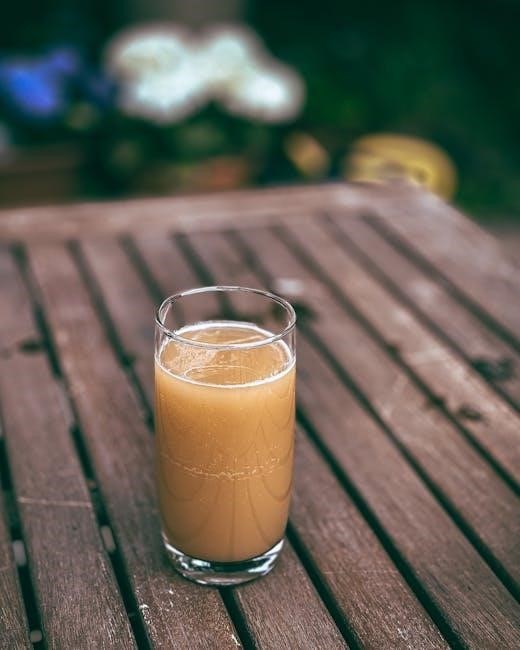
Regularly inspect your mead for clarity changes after bentonite addition․ Initially, the mead might appear cloudier due to the bentonite suspension, but this is temporary․ Over the following days – typically 3 to 7 – observe the gradual settling of sediment at the carboy’s bottom․
A noticeable improvement in clarity indicates effective fining․ Use a flashlight shining through the mead to better visualize any remaining haze․ Patience is key, as complete clearing can take time, especially with fruit meads (melomels) as discussed in online forums (Oct 1, 2024)․
Potential Issues: Over-Fining
Excessive bentonite can strip flavor compounds and essential nutrients from your mead, resulting in a bland or thin-bodied final product․ Over-fining also removes beneficial yeast components, potentially leading to stuck fermentations or instability․
Monitor closely; if clarity improves dramatically but flavor suffers, you’ve likely over-fined․ Discussions on Gotmead (Dec 6, 2010) emphasize careful dosage calculation to avoid this issue, particularly when starting as a new mead maker․
Troubleshooting Bentonite Issues
If bentonite fails to clear mead, re-hydration or dosage adjustments may be needed․ Sediment buildup can occur, requiring careful racking – as discussed in online mead communities․
Bentonite Not Clearing Mead
Insufficient clearing despite bentonite addition often stems from improper hydration; ensure a complete slurry formation before mixing․ Dosage errors are also common, particularly with fruit meads (melomels) needing increased amounts․
Verify pH levels, as bentonite’s effectiveness is pH-dependent․ Consider a secondary fining agent if issues persist, or check for other haze-causing compounds․ Online forums (Nov 7, 2017) suggest revisiting hydration techniques and carefully recalculating dosage based on batch size․
Dealing with Bentonite Sediment
Bentonite sediment, a natural byproduct, settles compactly, making racking relatively straightforward․ Avoid disturbing the sediment during racking to prevent re-suspension․ Multiple rackings may be necessary for complete removal, ensuring a brilliantly clear final product․
Sanitation is paramount during racking to prevent contamination․ While generally inert, excessive sediment suggests over-fining; adjust dosages in future batches․ Forums (Dec 6, 2010) emphasize gentle handling and patience during sediment removal․
Bentonite and Other Fining Agents
Combining bentonite with agents like Sparkolloid can enhance clarity, addressing different haze types․ However, careful consideration of interactions is vital for optimal results․
Combining Bentonite with Sparkolloid
Synergistic fining often involves sequentially adding bentonite and Sparkolloid․ Bentonite tackles protein haze, while Sparkolloid excels at removing yeast and other particulate matter․ This two-step approach, discussed within mead-making communities, can yield exceptionally clear results, surpassing the effectiveness of either agent alone․
However, precise timing and dosage are crucial; adding them simultaneously might reduce their individual efficacy․ Always follow recommended guidelines and observe clearing progress carefully․
Alternatives to Bentonite
Several fining agents offer alternatives to bentonite, each with unique properties․ Sparkolloid, as previously mentioned, is a popular choice, particularly for yeast haze․ Gelatin is another option, though it requires careful temperature control․ Kieselsol, a silica-based fining agent, can also be effective, but may require experimentation․
Choosing the best alternative depends on the specific mead and desired clarity, as discussed in online forums․
Long-Term Effects of Bentonite on Mead
Bentonite’s long-term impact is generally minimal, though excessive use could strip nutrients, potentially affecting flavor stability over extended aging periods, as mead makers discuss․
Impact on Flavor
Generally, bentonite itself shouldn’t impart noticeable flavors to mead when used correctly; however, over-fining can sometimes lead to a slightly muted or “stripped” flavor profile․ This occurs because bentonite can adsorb some aromatic compounds alongside the haze-causing particles․
Experienced mead makers often suggest careful dosage control to avoid this, prioritizing clarity without sacrificing the complex flavors developed during fermentation and aging, as discussed in online forums (Nov 7, 2017)․
Potential for Nutrient Removal
Bentonite, while excellent for clarifying, can potentially strip yeast nutrients from mead, particularly nitrogen compounds․ This is a concern primarily for stuck or sluggish fermentations, especially in nutrient-poor musts․
Therefore, it’s prudent to ensure adequate nutrient levels before adding bentonite, or consider a staggered addition․ Experienced mead makers often monitor fermentation progress closely when using bentonite (Dec 6, 2010)․
Bentonite Safety and Handling
Bentonite dust can irritate lungs; always wear a mask during handling․ Store in a sealed container, away from moisture, to maintain its effectiveness․
Dust Inhalation Precautions
Bentonite clay, in its powdered form, presents a significant inhalation hazard․ Always wear a properly fitted N95 dust mask or respirator when handling bentonite to prevent lung irritation․ Work in a well-ventilated area, and avoid creating excessive dust clouds during mixing and measuring․ Consider wearing eye protection as well, to avoid irritation․ Careful handling minimizes risks, ensuring a safe mead-making process․
Storage of Bentonite
Proper storage is vital for maintaining bentonite’s effectiveness․ Keep unopened bentonite in a cool, dry place, shielded from moisture and direct sunlight․ Once opened, transfer the remaining powder to an airtight container to prevent clumping and absorption of odors․ This preserves its fining capabilities, ensuring optimal clarity for your mead batches over extended periods․
Bentonite for Different Mead Styles
Bentonite’s application varies by mead style; melomels often require slightly increased dosages due to fruit pulp, while traditional meads may need less, ensuring optimal clarity․
Traditional Mead
For traditional meads, utilizing bentonite requires a measured approach, typically starting with a lower dosage – around 1 teaspoon per gallon – as these lack the pectin-rich fruit pulp found in melomels․
Careful monitoring is crucial; observe clearing progress and avoid over-fining, which can strip flavor compounds․ Hydration is paramount, creating a smooth slurry to prevent clumping and ensure even distribution throughout the mead․
Remember, clarity doesn’t always equate to improved flavor, so judicious use is key to a balanced final product․
Fruit Wines (Melomels) & Metheglins
Melomels and metheglins, due to their higher pectin and protein content from fruits and spices, generally require a higher bentonite dosage – often 1-2 teaspoons per gallon․
Pectic enzyme pretreatment is highly recommended before bentonite addition to maximize clarity․ Careful consideration of fruit pulp levels is vital; more pulp necessitates increased bentonite․
Always hydrate thoroughly and monitor clearing closely to prevent over-fining, preserving the delicate flavors of the fruit or added spices․
Advanced Bentonite Techniques
Stepwise additions and cold stabilization using bentonite refine clarity further, addressing potential haze post-fermentation, enhancing mead quality and stability for long-term aging․
Stepwise Bentonite Additions
Employing multiple, smaller bentonite additions, rather than a single large dose, offers superior control over the fining process․ This technique minimizes the risk of over-fining and potential flavor stripping, a concern voiced in mead-making communities (Nov 7, 2017)․
Start with a conservative dosage, assess clearing after a few days, and add more if needed, allowing for precise adjustments based on visual clarity and avoiding sediment issues․
This approach is particularly beneficial for complex meads․
Using Bentonite for Cold Stabilization
Cold stabilization with bentonite proactively prevents the formation of potassium bitartrate (wine diamonds) during storage․ By adding bentonite before chilling the mead, it adsorbs these crystals, ensuring a brilliantly clear final product, a practice discussed within mead forums (Dec 6, 2010)․
This method is especially useful for meads prone to tartrate precipitation, enhancing long-term stability and visual appeal․
Ensure proper hydration before chilling․
Resources for Further Learning
Explore online mead communities like Reddit (Nov 7, 2017) and Gotmead (Dec 6, 2010) for shared experiences and advice on bentonite usage in mead making․
Online Forums and Communities
Engage with fellow mead makers on platforms like Reddit’s r/mead (Nov 7, 2017) to discuss bentonite challenges and successes; user experiences offer invaluable insights․
Gotmead․com’s community forums (Dec 6, 2010) provide extensive threads dedicated to fining, including detailed discussions on bentonite dosage and troubleshooting․
Facebook groups, such as those focused on mead making (Oct 1, 2024), are excellent for quick questions and sharing batch-specific experiences with bentonite․
Recommended Reading Materials
While dedicated books solely on bentonite are scarce, comprehensive mead-making guides often dedicate chapters to fining agents, including detailed bentonite instructions․
Explore online resources stemming from forum discussions (Gotmead․com, Dec 6, 2010) – these often compile best practices and troubleshooting tips from experienced mead makers․
Supplement with winemaking literature; bentonite’s use is similar in both, providing a broader understanding of its properties and applications (Reddit, Nov 7, 2017)․
Bentonite Dosage Chart (Example)
Dosage varies, but a starting point is 1-2 tsp/gallon for standard mead, increasing for fruit content (melomels), as discussed in online forums (Oct 1, 2024)․
1 Gallon Batch
For a single gallon batch, begin with approximately 1-2 teaspoons of bentonite clay․ Remember, the exact amount depends on the clarity needed and the fruit content, if any, within your mead․ A strawberry melomel, for example, might require slightly more due to increased pectin (Oct 1, 2024)․
Always hydrate the bentonite properly in warm water to create a slurry before adding it to the mead, ensuring even distribution and optimal fining (Nov 7, 2017)․
5 Gallon Batch
Scaling up to a five-gallon batch, a common starting point is 5-10 teaspoons of bentonite․ However, consider the mead’s initial clarity and the presence of fruit; a JOA (Juice, Oats, and Adjuncts) mead may need adjustments (Dec 6, 2010)․
Proper hydration remains crucial – create a slurry with warm water and allow it to fully activate before gently stirring into the mead to avoid clumping and ensure effective clearing (Nov 7, 2017)․
Common Mistakes to Avoid
Avoid overuse, as excessive bentonite can strip flavor and nutrients․ Incomplete hydration leads to clumping and ineffective clearing, hindering the mead’s brilliance (Nov 7, 2017)․
Using Too Much Bentonite
Over-fining with bentonite can detrimentally impact your mead’s final character․ Excessive amounts strip essential flavor compounds, resulting in a bland and lifeless beverage․ Furthermore, it aggressively removes yeast nutrients, potentially causing stuck fermentation or stressing the yeast․
This issue is frequently discussed in online mead-making communities (Dec 6, 2010), emphasizing the importance of precise dosage calculations․ Remember, less is often more when working with fining agents like bentonite, ensuring a balanced and flavorful mead․
Not Hydrating Properly
Insufficient bentonite hydration is a common pitfall for novice mead makers․ Dry bentonite clumps and doesn’t disperse effectively, reducing its fining capacity and leaving a gritty sediment․ Proper hydration, creating a slurry, is vital for maximizing surface area and ensuring complete interaction with the mead․
Online resources (Nov 7, 2017) consistently stress the importance of a well-prepared slurry, allowing the bentonite to fully swell before addition․ Failing to do so renders the bentonite largely ineffective․
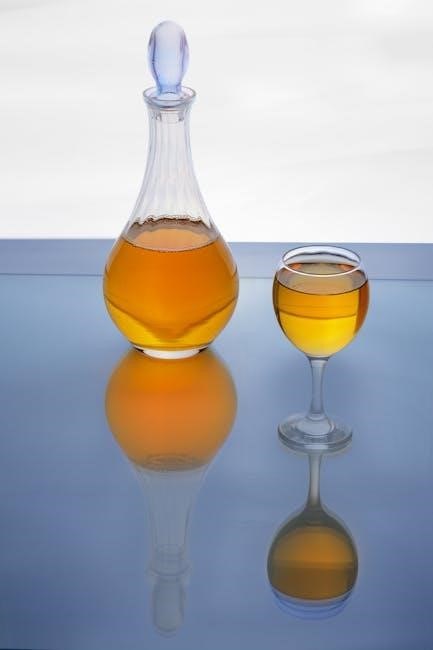
Mastering Bentonite for Clear Mead
Successfully utilizing bentonite hinges on understanding dosage, hydration, and timing – principles echoed across mead-making communities (Dec 6, 2010, Oct 1, 2024)․ Careful application, avoiding over-fining, yields brilliantly clear mead without compromising flavor․
While challenges like incomplete clearing can occur, proper technique, informed by shared experiences, ensures bentonite becomes a reliable tool for achieving professional-quality results in your mead production․